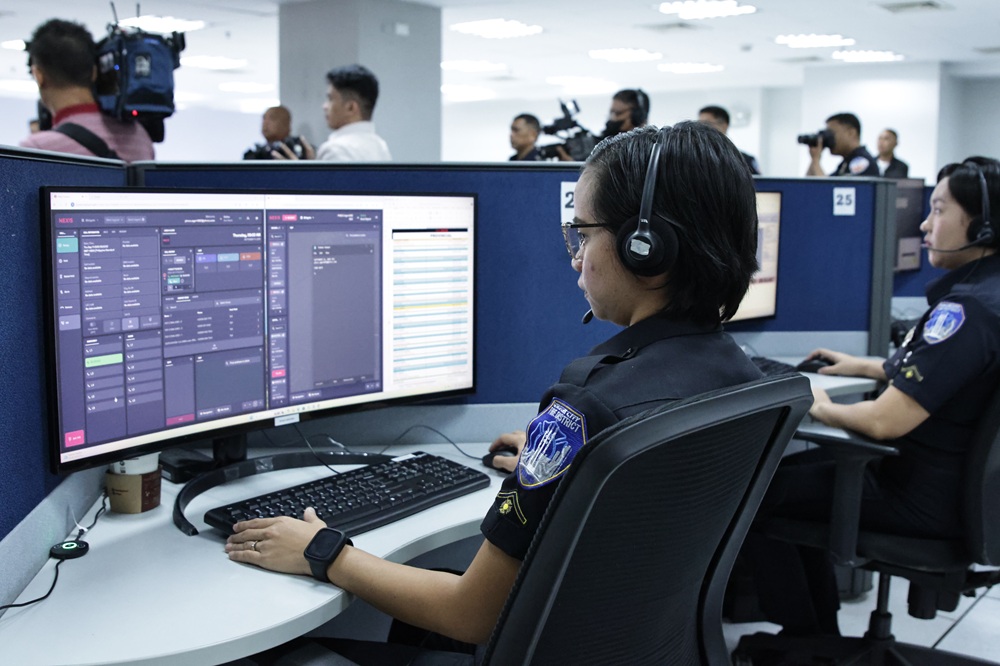
Domestic abuse remains the most reported violence against women and children (VAWC) case in calls to the country’s emergency hotline, according to data from the Emergency 911 National Office.
From January 2025 to February 2026, the agency logged 2,533 calls involving domestic trouble, including physical, sexual, psychological, or economic abuse. Wife battery, maltreatment, and rape cases accounted for 214, 209, and 106 incidents, respectively, while 173 calls involved child abuse.
Other reported cases included sexual harassment (80), acts of lasciviousness (60), prostitution (8), human trafficking (5), abandoned children (3), and abortion (1).
Most VAWC-related calls came from Calabarzon, Metro Manila, Central Luzon, and Cebu province, followed by Dumaguete and Bacolod.
E911 National Office executive director Francis Fajardo said the hotline receives an average of 300 to 500 VAWC-related calls monthly.
He attributed the increase in reports to the rollout of the Unified 911 system in September 2025, which made the service easier to access and improved response times.
Fajardo said the rise in cases does not necessarily indicate an increase in abuse incidents but reflects improved reporting due to a more accessible hotline and the use of next-generation emergency technologies. Call-handling efficiency has also improved to 98 percent, up from 48 percent in 2024.
Despite these gains, authorities said many victims still hesitate to report abuse even with confidential assistance available through the Philippine National Police and barangay VAWC desks.
Robert Llaguno, country head of NGA Philippines, said the upgraded system is designed to ensure privacy and encourage victims to seek help.
“Abuse victims need not fear exposure or suffer retaliation from their tormentors when they call for help using 911. The next-generation emergency system that we have has enhanced security and privacy protocols that protect caller confidentiality even while voice calls, real-time text, photos or videos are being transmitted.
“The system is built on secure, IP-based networks that make sure personal data shared during an emergency is used only for the purpose of delivering immediate assistance,” Llaguno said.
“All data, including caller location, is protected from unauthorized access during the emergency call. Digital infrastructures make sure that all information shared between caller and the emergency call center is confidential and secure. The system is engineered to protect the caller and also provide situational awareness to the first responders,” he added.
Llaguno said the service is accessible nationwide through a single number and integrates responses from multiple agencies.
“There are only three numbers to remember wherever you are in the country. Dial 911 and within seconds, the integrated system goes to work. Trained call takers evaluate the call to determine what type of emergency response is needed. The call goes through a network that engages the national police, the Bureau of Fire Protection, medical services and LGUs so help arrives almost instantly at the exact location of the call.
“The service is free and is available 24/7. It is language-sensitive so callers can converse in Tagalog, Cebuano, Waray, Ilocano, Tausug, and other native languages,” he said.
Department of the Interior and Local Government secretary Jonvic Remulla said the system should be treated as a critical public service.
“Unified 911 should not just be a hotline. It is a lifeline. Every second matters, every call matters, every life matters. This is government fulfilling its promise that help will always be within reach,” Remulla said.