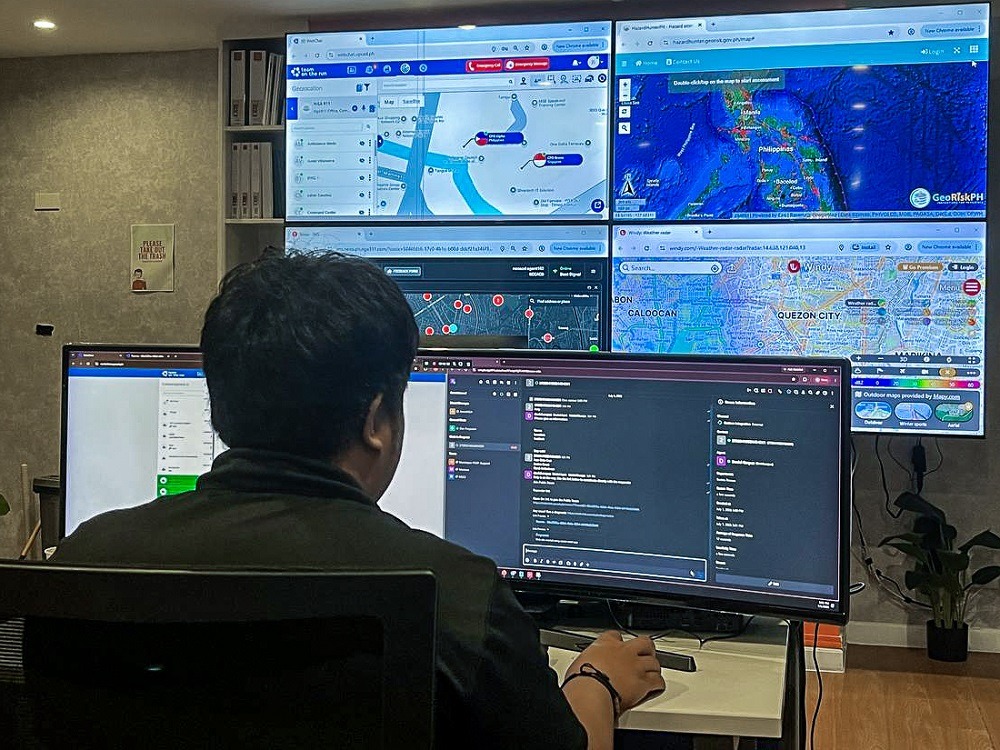
The Unified 911 emergency response system has introduced real-time translation technology designed to help foreign tourists and residents report emergencies without relying on third-party interpreters.
NEXiS Connect, the call-handling platform developed by NGA 911, can convert a caller’s speech from a supported foreign language into English or Filipino.
The system currently supports Spanish, Italian, German, French, Filipino, and English, with more languages expected to be added.
The voice-to-text feature allows Filipino emergency operators to identify the nature and location of an incident while the call is ongoing.
“Safety is a primary factor for global travelers,” NGA Philippines country head Robert Llaguno said.
“Knowing that language barriers are eliminated by advanced AI removes the fear of being stranded during a medical issue or natural disaster while in the country. This makes the Philippines a more competitive, ‘smart tourism’ destination,” he added.
Foreign nationals may also contact emergency operators through the Unified 911 PH account on Facebook Messenger, removing the need for a local SIM card or knowledge of local dialing codes.
Messages are routed to the same interface used by Unified 911 operators. The system allows call takers to respond in English and automatically translate their replies into the caller’s language.
“In life-or-death scenarios like cardiac arrest, crimes in progress or blazing fires, a delay of even just 60 seconds can be fatal. NEXiS Connect’s auto-translation feature minimizes triage time because dispatchers can immediately identify the type and location of the emergency without wasting time trying to decipher a foreign language,” Llaguno said.
“Real-time translation also allows dispatchers to guide a foreign caller through critical procedures like CPR, applying pressure to a wound, or finding an escape route in a fire — without communication errors,” he added.
NGA 911 said its NEXiS Message platform consolidates Facebook Messenger, text messaging applications, voice calls, and other communication channels in one workspace. Callers may send photographs, live video, and location coordinates to emergency operators.
“Instead of dispatchers having to monitor separate screens for different apps, everything arrives in a single interface. The system allows citizens to send photos, live video streams and exact geographic coordinates along with their text,” Llaguno said.
“The secure workplace also enables the PNP, the BFP and local DRRMOs to securely view the same media files simultaneously, instantly verifying the legitimacy of an incident and reducing false alarms,” he added.
The company said the cloud-based system can also redirect emergency communications to another command center if a local facility becomes unavailable during a typhoon, flood, or other disaster.