The growing confidence in artificial intelligence (AI) among Filipino workers is being driven more by personal use than enterprise adoption, according to a survey commissioned by Salesforce Philippines.
The study, conducted by YouGov and covering 1,057 knowledge workers across sectors such as finance and IT, found that 70% of respondents said their personal use of AI increased their confidence in using the technology at work, while 68% said it improved their trust in AI tools.
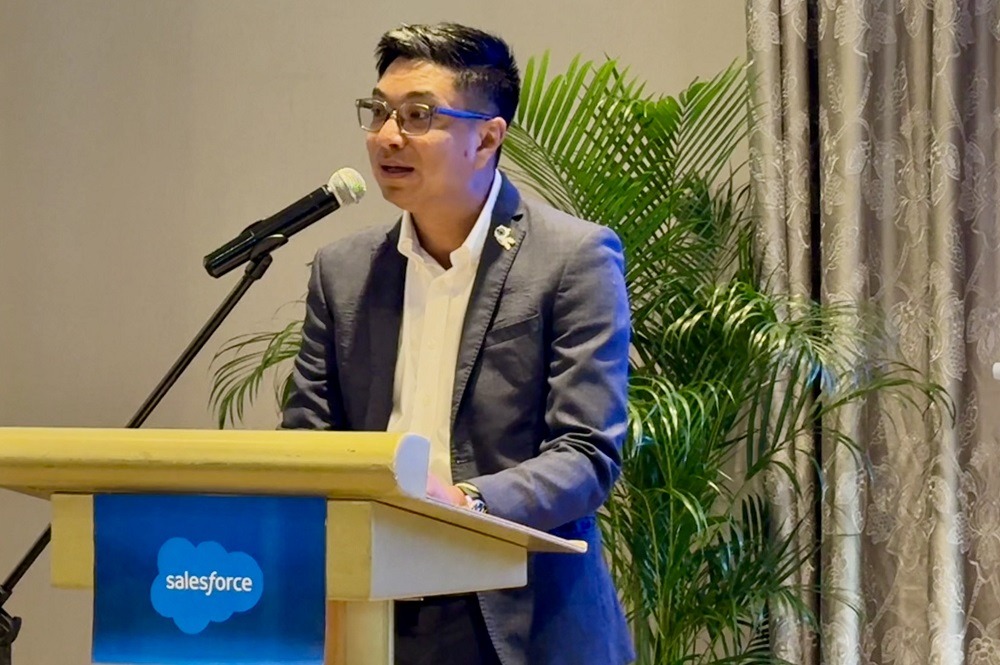
“What’s really driving the confidence in AI is not the corporate use. It’s actually the personal use,” said Abraham Cuevas, country general manager of Salesforce Philippines.
The findings point to a bottom-up adoption trend, with workers bringing familiarity from everyday AI use — such as asking questions or generating content — into the workplace. Trust levels were highest among younger workers, particularly Gen Z, though adoption cuts across generations.
Despite this openness, the survey highlighted gaps that could slow enterprise adoption. Nearly half (48%) of respondents said they need a clearer understanding of the skills required to use AI effectively, while only 34% reported receiving training on AI tools and just 31% said their companies invest in knowledge-sharing platforms.
“48% of Filipino workers really need clear understanding on the skills they should develop to use AI effectively,” Cuevas said, noting that limited training could hinder organizations from fully leveraging so-called “agentic AI.”
The research also showed that AI is already widely used in workplaces. Around 76% of respondents said they have interacted with or are using AI agents, and 45% expect to use them both to automate tasks and augment their work. Common use cases include accessing information quickly (53%), assisting with writing (49%), and brainstorming ideas (44%).
However, the shift from personal to enterprise use raises concerns about governance and security. Cuevas said organizations must address trust issues as AI scales across operations.
“How do you trust using that on an enterprise scale?” he said, pointing to the need for safeguards and governance frameworks.
The survey found that workers expect employers to take a more active role in enabling AI adoption. About 46% want access to approved, high-quality tools, while 43% seek greater transparency on how AI systems operate. Another 33% emphasized the need for strong security, privacy, and compliance guardrails.
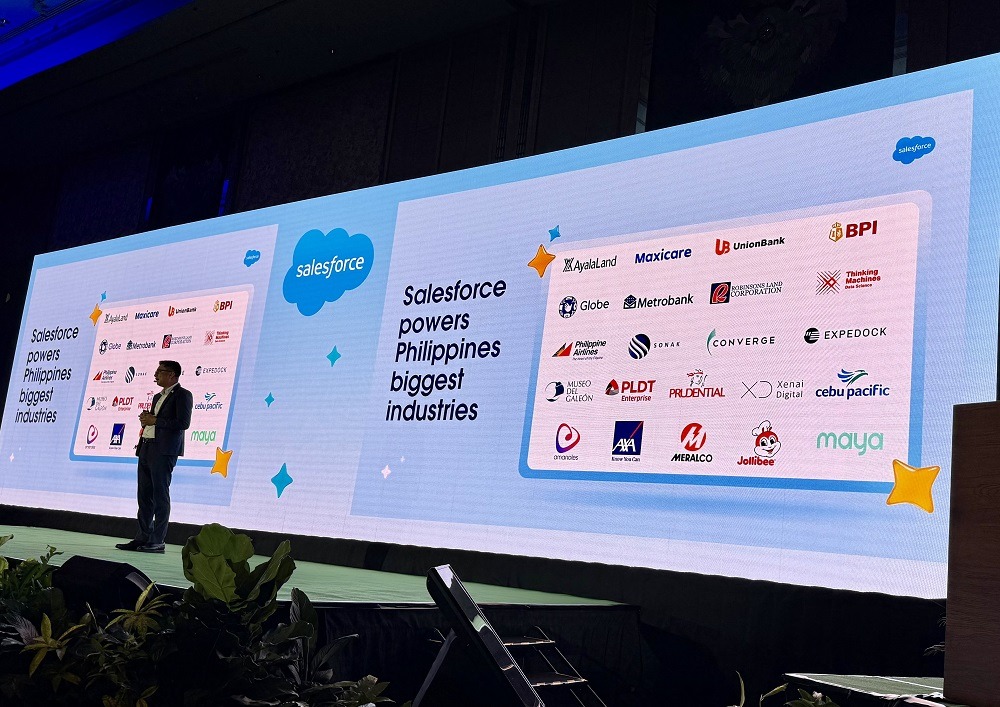
Cuevas said companies must invest in “AI fluency,” or the ability of workers to collaborate effectively with AI systems.
“Our study shows that workers in the Philippines are willing to embrace AI, but this is only the first step,” he said. “What we need now is AI fluency: the ability to confidently collaborate with AI to drive business impact at speed and scale.”
He added that organizations must translate individual experimentation into structured adoption.
“The growing trust in AI across the Philippines is being driven from the bottom up, with personal curiosity currently outpacing corporate strategy,” Cuevas said. “However, individual use alone doesn’t translate into enterprise-scale impact.”